In today’s competitive business environment, investing in digital learning design is not just a trend—it’s a strategic move that can significantly impact a company’s bottom line. Effective learning design leads to better learning experiences, which in turn boost learner engagement and retention. When employees or customers find the learning process enjoyable and effective, they are more likely to complete courses and apply what they’ve learned. This enhanced retention translates into a more skilled workforce or informed customer base, which ultimately drives more business for the company. Higher learner satisfaction also correlates with increased loyalty and positive word-of-mouth, further enhancing the company’s reputation and profitability.
“Learning is not attained by chance, it must be sought for with ardor and attended to with diligence.”
Abigail Adams
Learning Designers: The Product Designers of Education
Learning designers are to the education industry what product designers are to manufacturing. They carefully craft and develop the “products” of digital learning, whether it’s a curriculum, a course, a video, or any other e-learning material tailored to the learner’s needs. Just as a product designer considers the user experience, functionality, and aesthetics, a learning designer focuses on how best to deliver content that engages, informs, and retains learners.
Key tasks for learning designers include:
Crafting engaging learning experiences
Aligning content with business goals
Incorporating multimedia elements effectively
Conducting learner needs analysis
Assessing and refining course effectiveness
Collaborating with subject matter experts
These tasks are not just about creating content—they are about ensuring that the content serves the business’s strategic objectives. By aligning learning materials with the company’s goals, learning designers contribute directly to the company’s return on investment (ROI). Well-designed digital learning programs can reduce training costs, improve employee performance, and accelerate onboarding processes, all of which contribute to measurable financial benefits.
“An investment in knowledge pays the best interest.”
Benjamin Franklin
How to Meet Goals and Achieve Results
To maximize ROI in digital learning design, organizations should:
• Align learning objectives with business goals.
• Personalize content to meet specific learner needs.
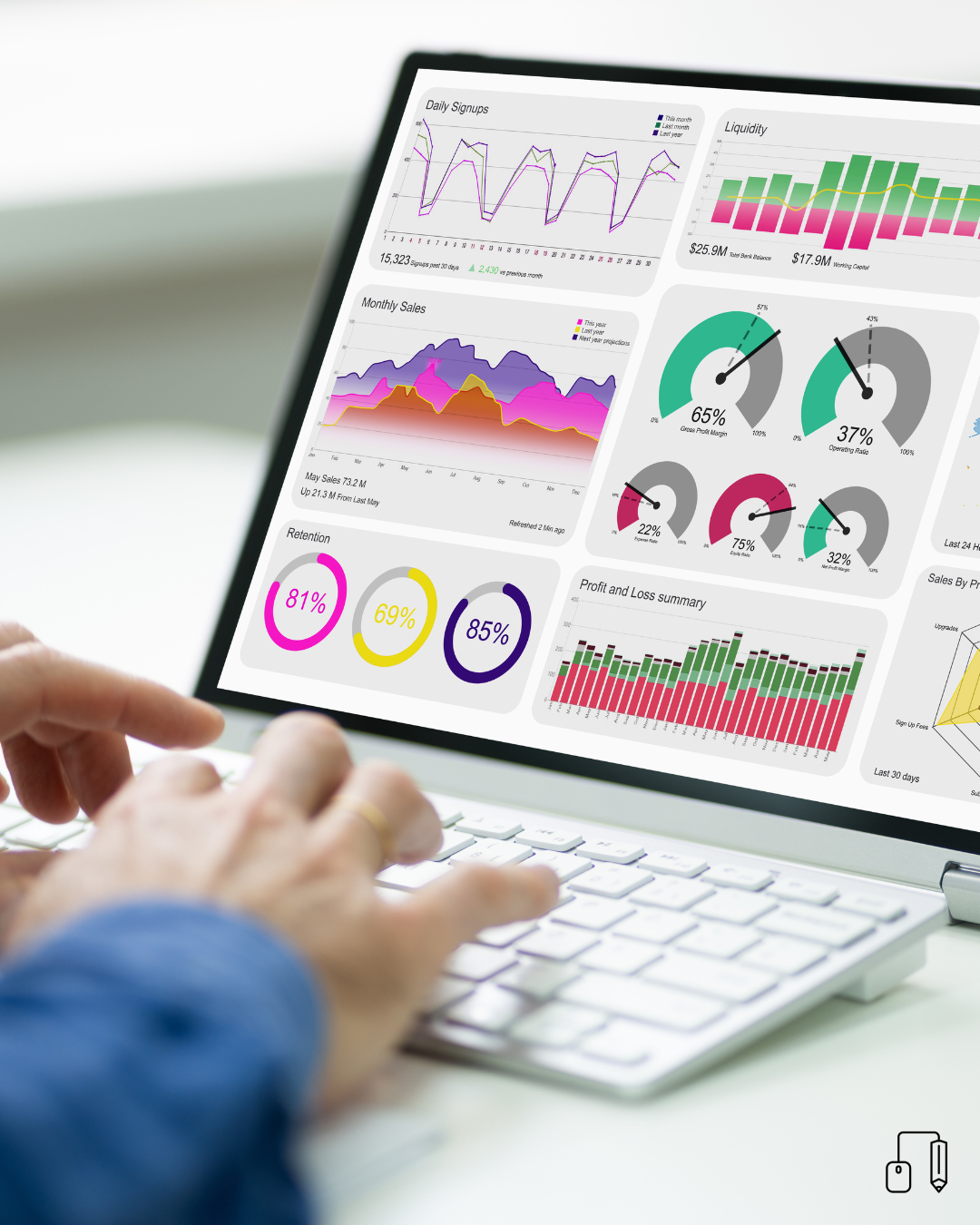
• Use data and analytics to track progress and effectiveness.
• Continuously iterate and improve based on feedback.
The Results
By implementing these strategies, companies have seen:
Justin Donlon is an innovative Learning Designer who thrives on creating engaging, interactive, and effective learning experiences. Works in a variety of areas including instructional design, e-learning development, content creation, and project management.
With over 18 years of experience in designing e-learning content for various industries, Justin is now leading AI-infused projects based on established learning design principles.



Leave a Reply